Tags
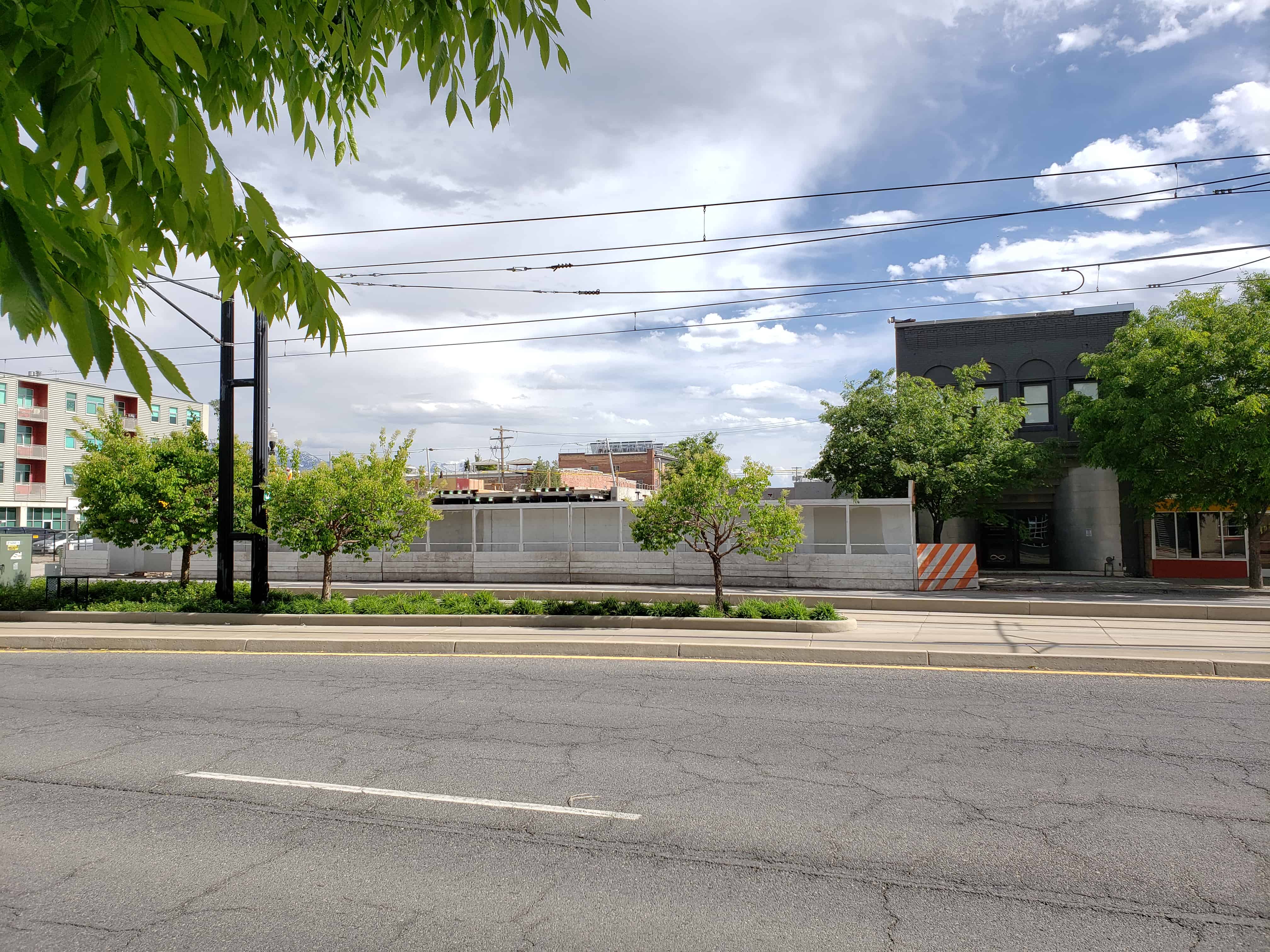
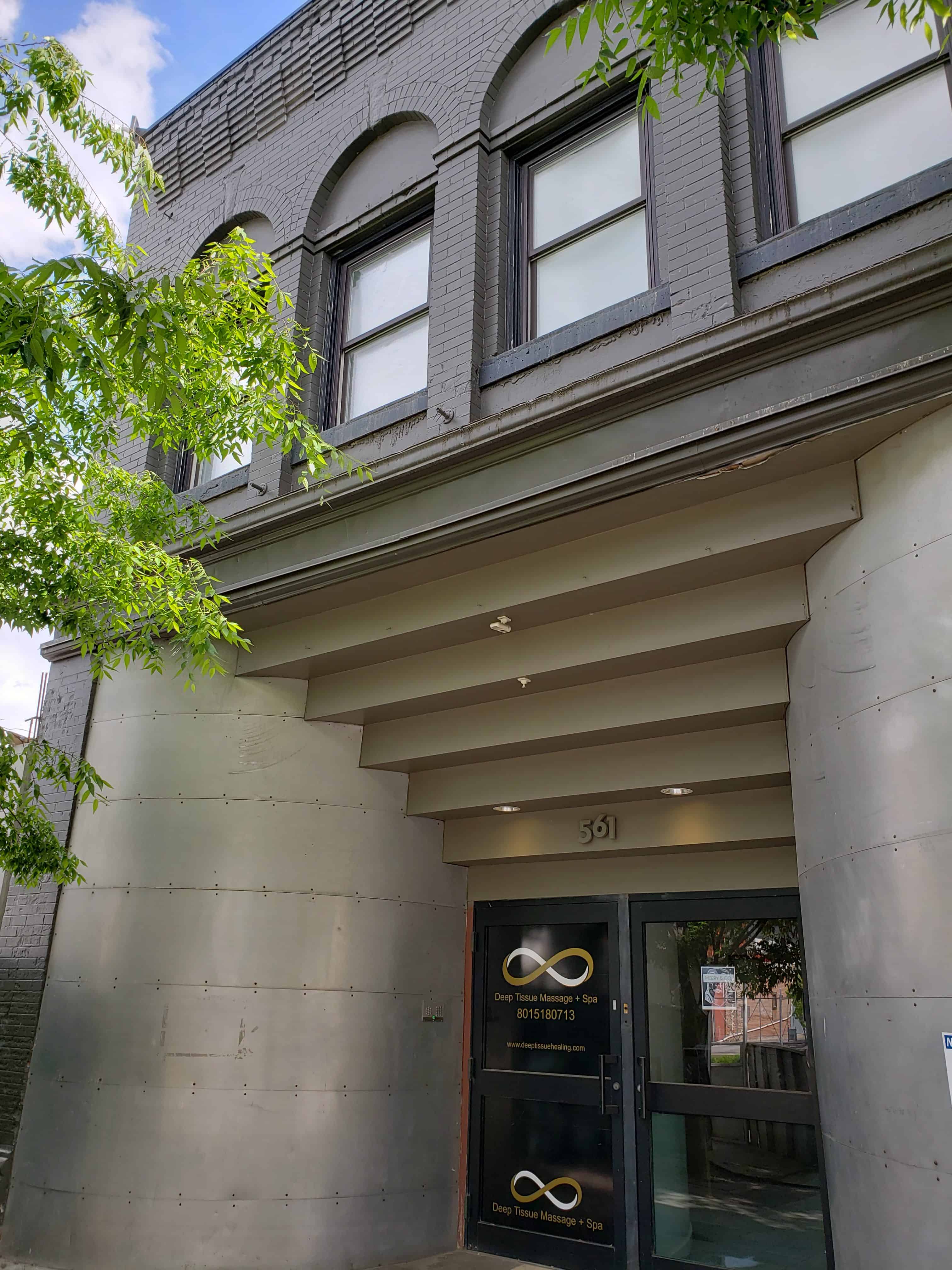
561 W 200 S in Salt Lake City, Utah was added to the national historic register (#82004848) on December 27, 1982.
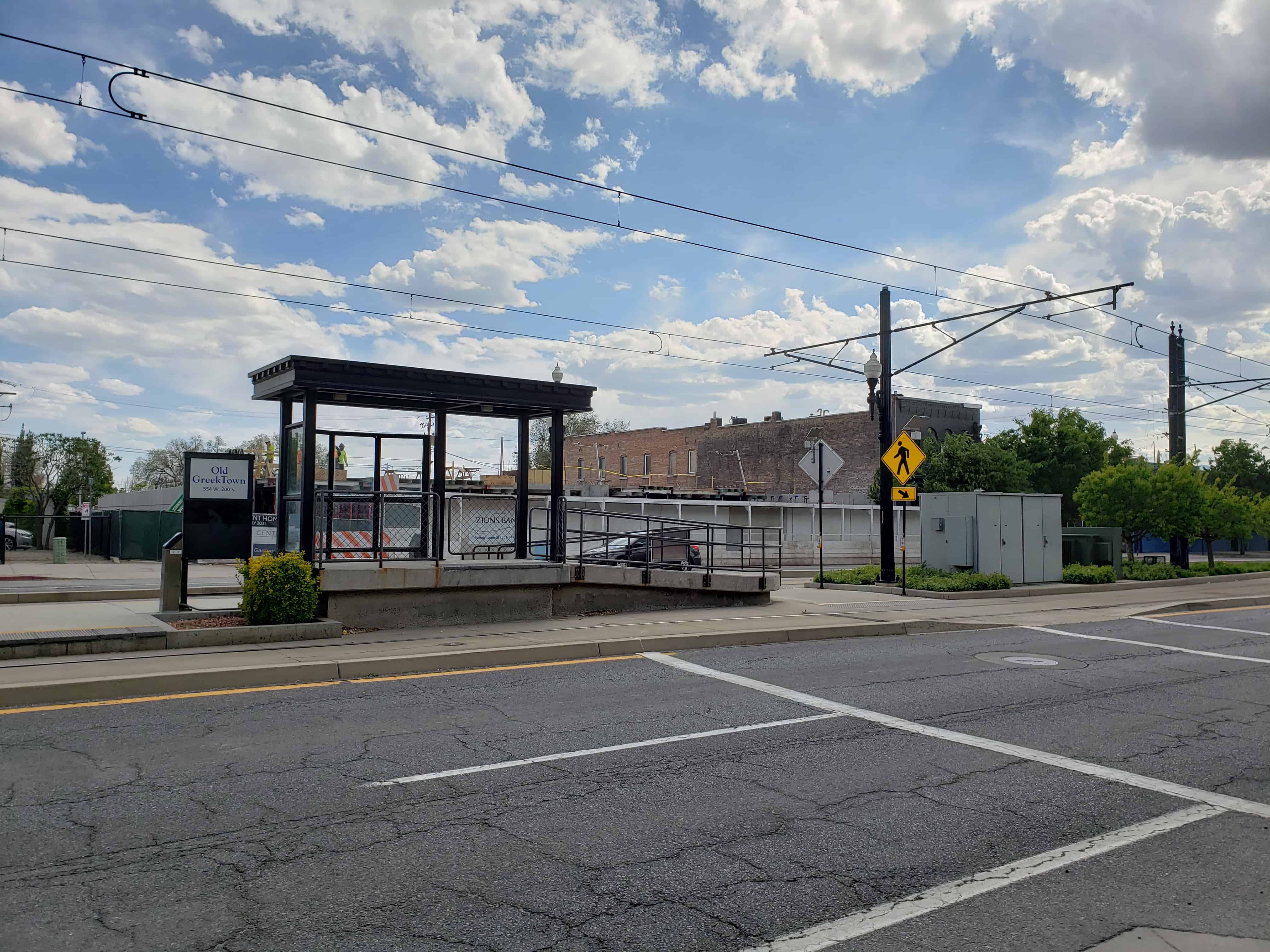
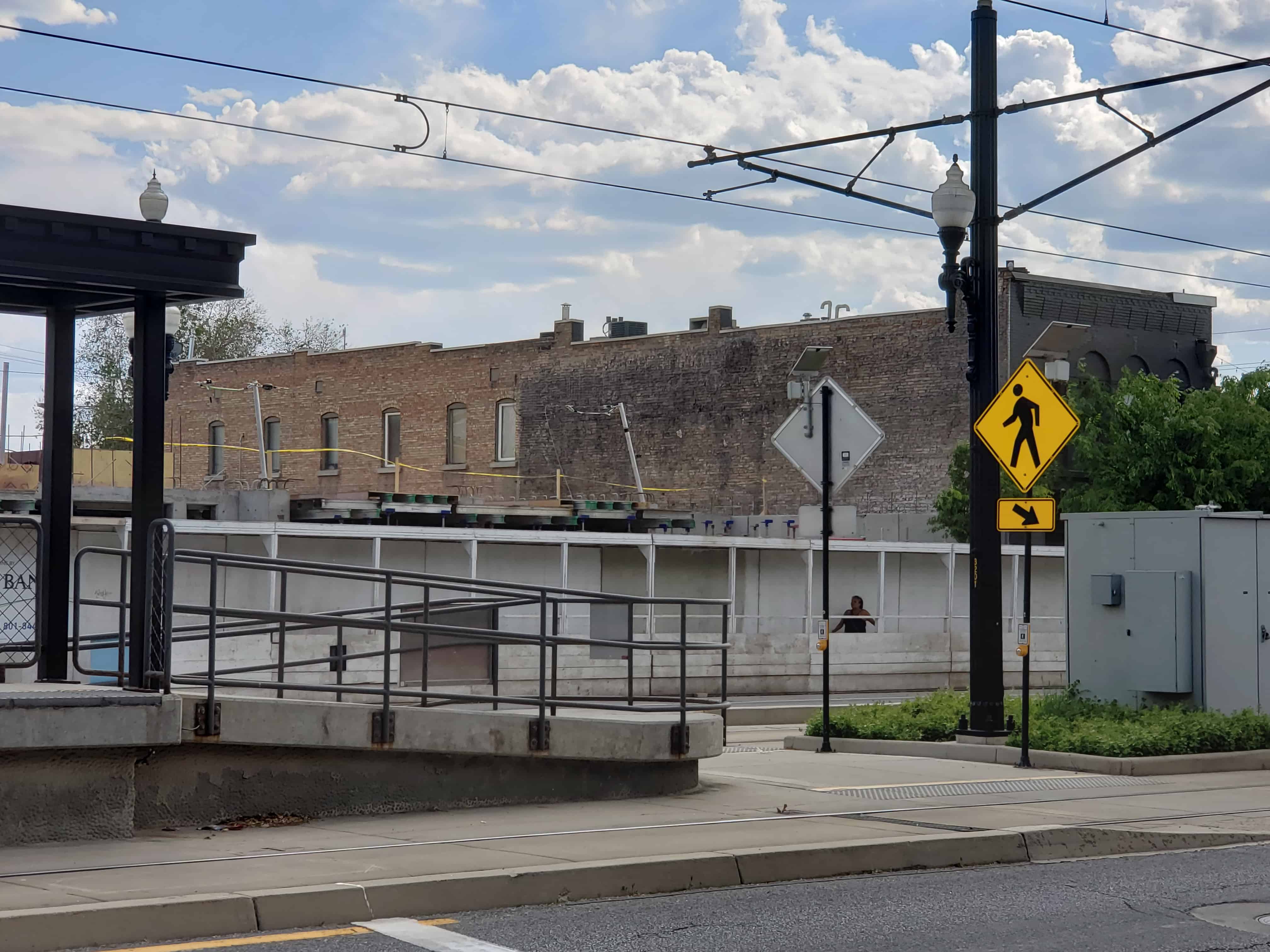
As a result of an extensive survey of Salt Lake City’s Downtown area, 561 West 200 South was identified as significant as one of only three commercial structures that remain of Salt Lake’s “Greektown” section. Others identified which retain historic integrity were: 592-98 West 200 South (listed in the National Register), and the rear of 537 West 200 South (nominated to the National Register). The arrival of “new” immigrants from southern and eastern Europe during the 1890s to 1920s period played a vital role in the peopling of Utah, and of Salt Lake City. Greek immigrants began arriving at the turn-of-the-century to labor on railroad gangs, and in mines, mills, and smelters. In Salt Lake City a Greektown developed where businessmen were able to establish specialty shops and businesses catering to Greek workers and their families. This structure, built in about 1910, housed a saloon and boarding house on the second floor. Most early Greek arrivals were single men, thus a boarding house became an important feature in the ethnic neighborhood. This westside neighborhood (along the 200 South area, between 500 and 700 West) was a visible area of Greek settlement in Salt Lake. Also located in the general vicinity is the Holy Trinity Greek Orthodox Church, 300 West 300 South (National Register). The building at 561 West 200 South, along with the others identified in the Salt Lake City Business District MRA, proved vital in creating an atmosphere that stimulated cultural maintenance and at the same time acted as a vehicle for the eventual accommodation of Greeks to American life. The three commercial buildings that remain form the best commercial remnants of an ethnic section of Salt Lake City.
Between 1880 and 1920 more than twenty million people immigrated to the United States, many of them from Eastern and Southern Europe and Asia, areas from which not many immigrants had previously come. Utah received its share of these “new immigrants.” Strangers in a strange land, these people faced a number of problems; a sense of displacement and feelings of being outsiders, ridicule, prejudice, discrimination, and employment handicaps. To help them deal with these problems, they tended to gather to-ether in neighborhoods of the city. Within and around Plum Alley, the Chinese developed a micro-community with grocery and merchandise stores, laundries, and restaurants. Italians were concentrated on the west side of the city near the railroads where many of them were employed. Greektown was nearby. A Japanese section sprang up where the Salt Palace now is.
Predominantly ethnic neighborhoods no longer exist in Salt Lake City. Residents have been dispersed throughout the city, and the buildings for the most part, have been torn down. What was once Chinatown has been completely replaced with large parking terraces. Other than the Bertolini Block (NR), little remains of the Italian section. Nearly the entire Japanese district was demolished when the Salt Palace, a sports arena and convention center, was built. The Greek Orthodox Church (NR) remains as do many of the buildings that once formed the nucleus of Greektown, and they have great significance in conveying a sense of the Greek experience in Salt Lake City.
Greeks began immigrating to the U.S. and to Utah in large numbers in the first decade of the twentieth century. In 1900, according to U.S. census figures, there were three Greeks living in all of Utah. By 1910 there 4039, almost all of them men. Initially they worked in the mines and on the railroads. In Utah, as elsewhere, they met with much prejudice and hostility. Together with other of the “new immigrants” from Eastern and Southern Europe, they were seen as “depraved, brutal foreigners” incapable of being assimilated into the fabric of American life. To combat the hostility they met, incoming Greeks developed a rich and close community life. Everywhere they settled, a “Greektown” sprang up. In Salt Lake City, It was near the railroad tracks on West Second South St. between 500 and 600 West Streets. Along that one block area were found Greek boardinghouses, saloons, grocery, clothing and specialty stores, and coffeehouses. In 1911 there were more than fifty Greek businesses in the one block area. The coffeehouse in particular was a central institution. As Helen Zeese Papanikolas points out, it was their true home. In its gregariousness, they found a refuge from the ridicule and discrimination they faced and the sense of displacement and malaise they felt.
This particular building was constructed about 1910 for John J. Corum, a well known Salt Lake City real estate speculator. It originally housed a saloon on the ground floor and a boarding house on the second floor, both operated by Peter Fotis. By 1914, the tenants were Anast. Koulis, saloon and coffeehouse, Frank Manos, boarding house, and Peter Zaharias, barbershop. Zaharias is one of the few early Greek immigrants to Utah that we know something about. According to his obituary, he was born in Athens, Greece in 1861, came to the U.S. in 1903 and to Utah in 1909. A barber by profession, he lived in Salt Lake until his death in 1949. Greek saloons, coffeehouses, and boarding houses continued to occupy the building until 1927. Since then, a series of non-Greek businesses have occupied it, including a warehouse, the Alder Sales Corp., and the Fishier Furniture and Hardware Co.
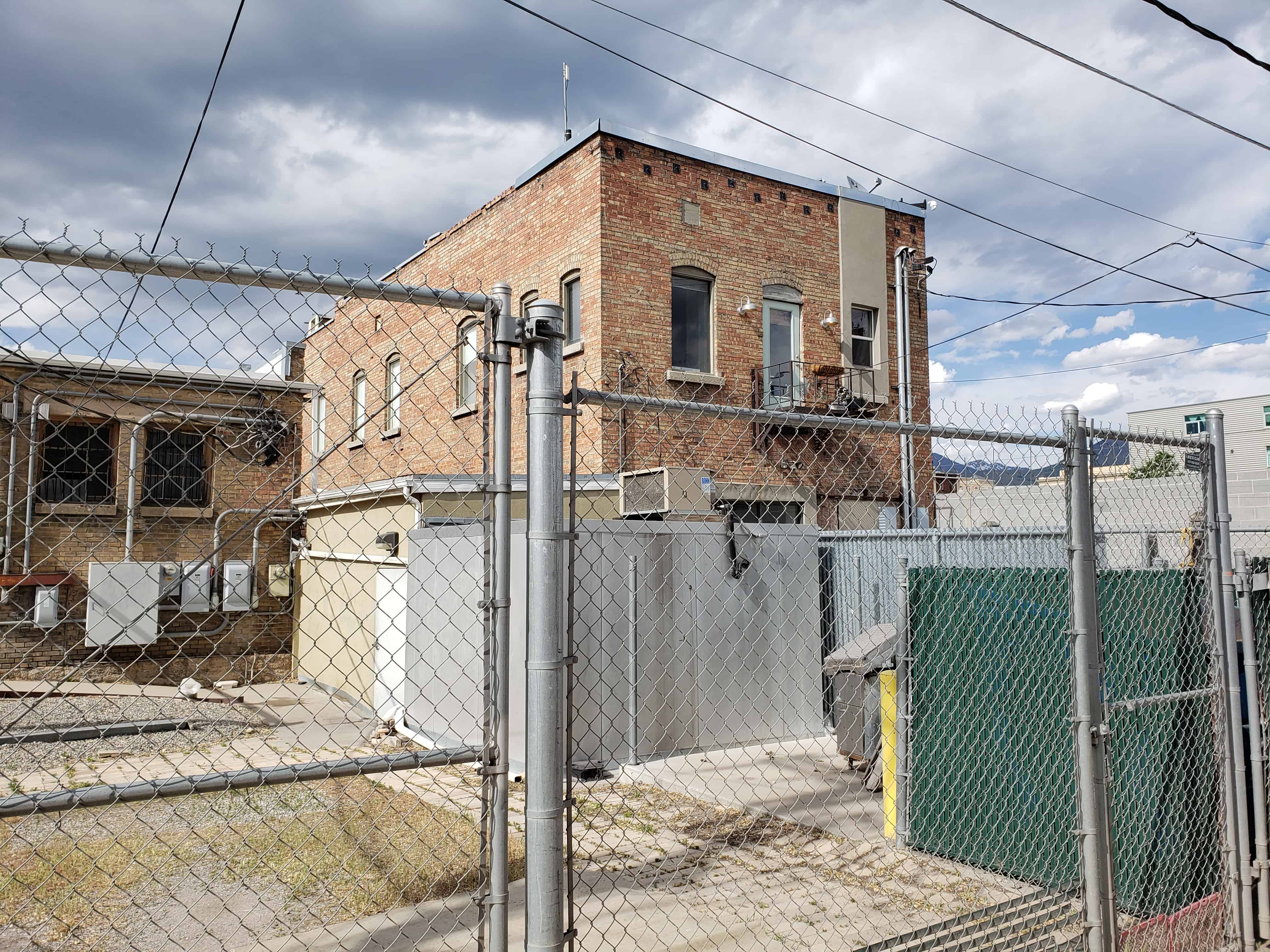
This is a commercial structure of rectangular plan and two-stories. The street level has been re-sided with narrow vertical boards to enclose what was originally probably glazed in the area now enclosed by the end pilasters and lower cornice. Four round arched openings create an arcade at the second story level containing the double hung windows at this story. Pronounced keystones and sills are part of the scheme. A continuous molded string course which spans the arcade horizontally at the level of the springers of the arches is another element of the arcading scheme. This string course helps form the pilaster motif of the arcading. A wide corbelled brick cornice includes dentilation and dogtoothing.