• About JacobBarlow.com
  • Cemeteries in Utah
  • D.U.P. Markers
  • Doors
  • Exploring Utah Email List
  • Geocaching
  • Historic Marker Map
  • Links
  • Movie/TV Show Filming Locations
  • Oldest in Utah
  • Other Travels
  • Photos Then and Now
  • S.U.P. Markers
  • U.P.T.L.A. Markers
  • Utah Cities and Places.
  • Utah Homes for Sale
  • Utah Treasure Hunt

JacobBarlow.com

~ Exploring with Jacob Barlow

JacobBarlow.com

Tag Archives: NRHP

William H. McIntyre House

20 Thursday Nov 2025

Posted by Jacob Barlow in Uncategorized

≈ Leave a comment

Tags

Avenues Historic District, NRHP, Salt Lake City, Salt Lake County, utah

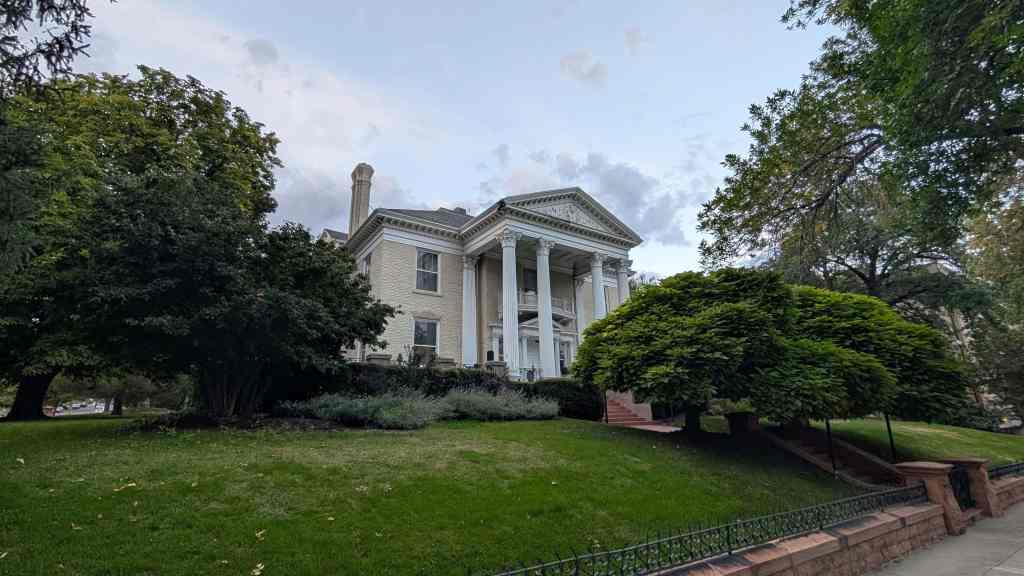
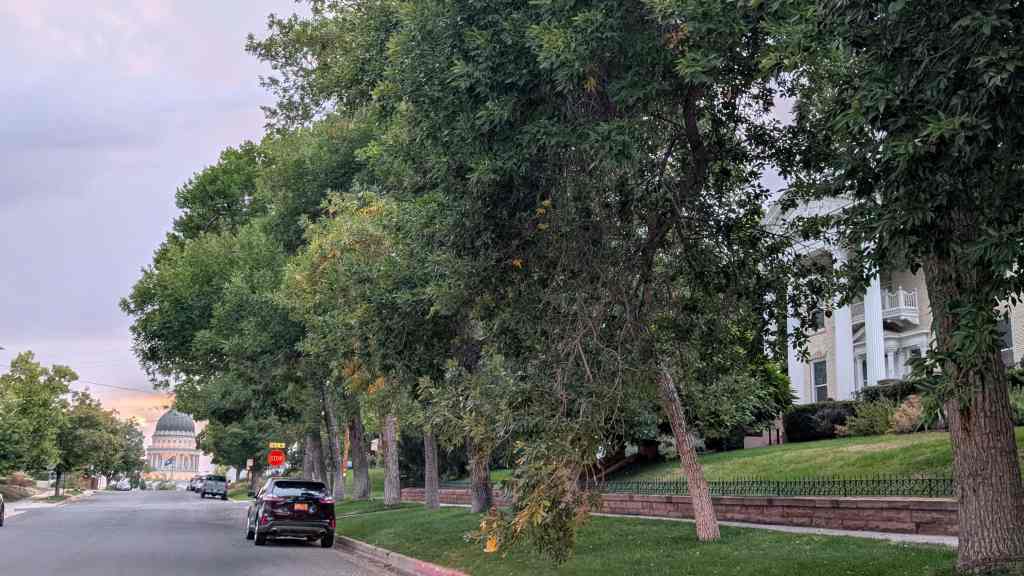
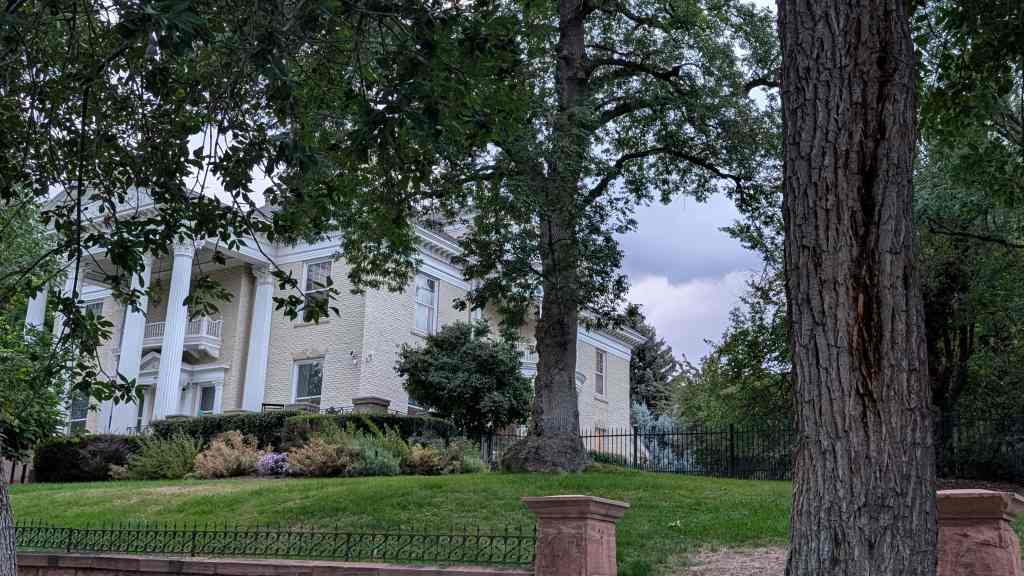
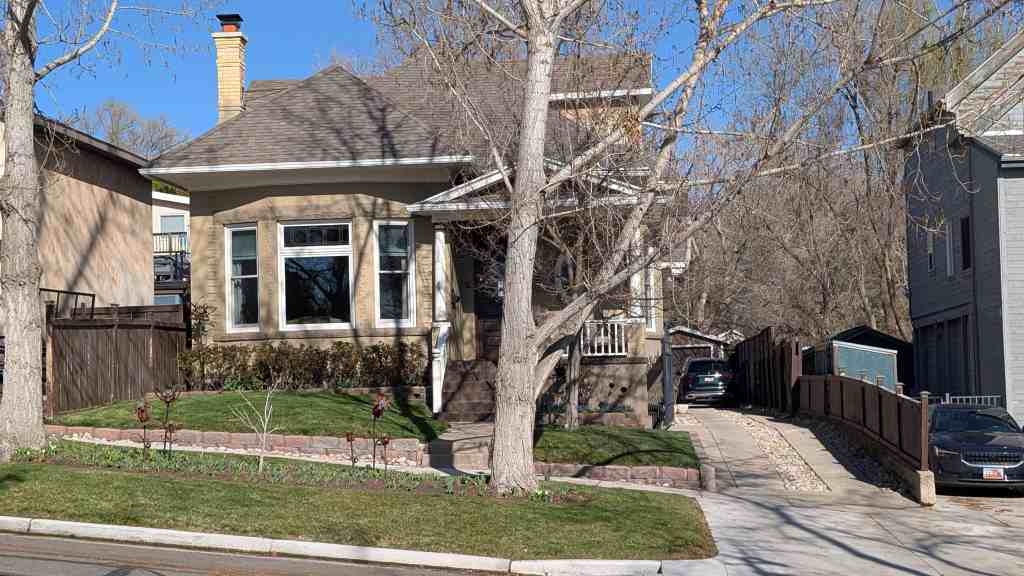
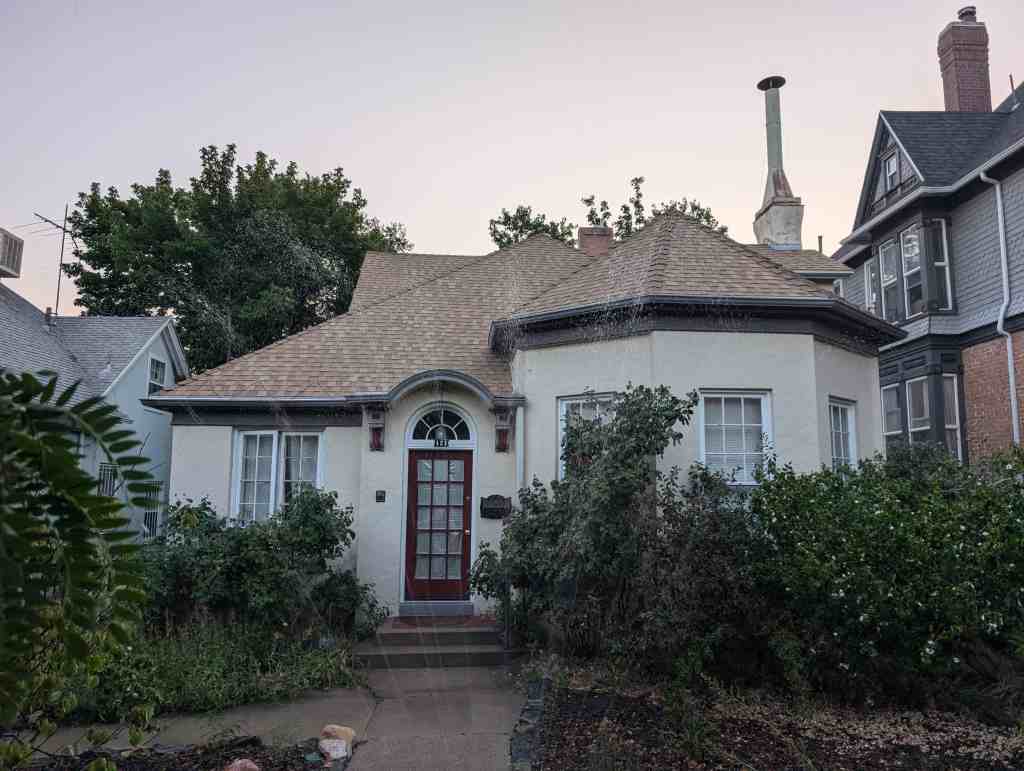
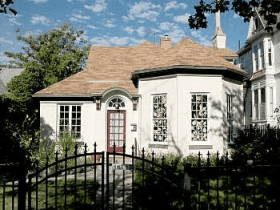
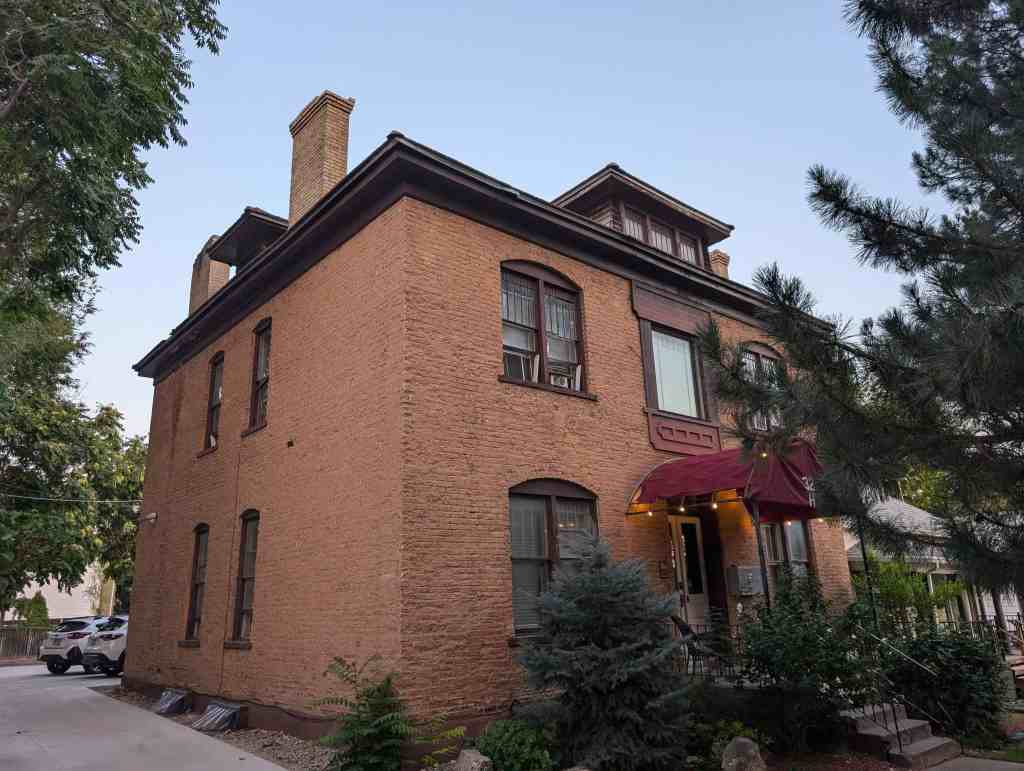
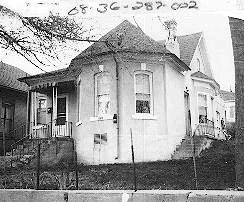
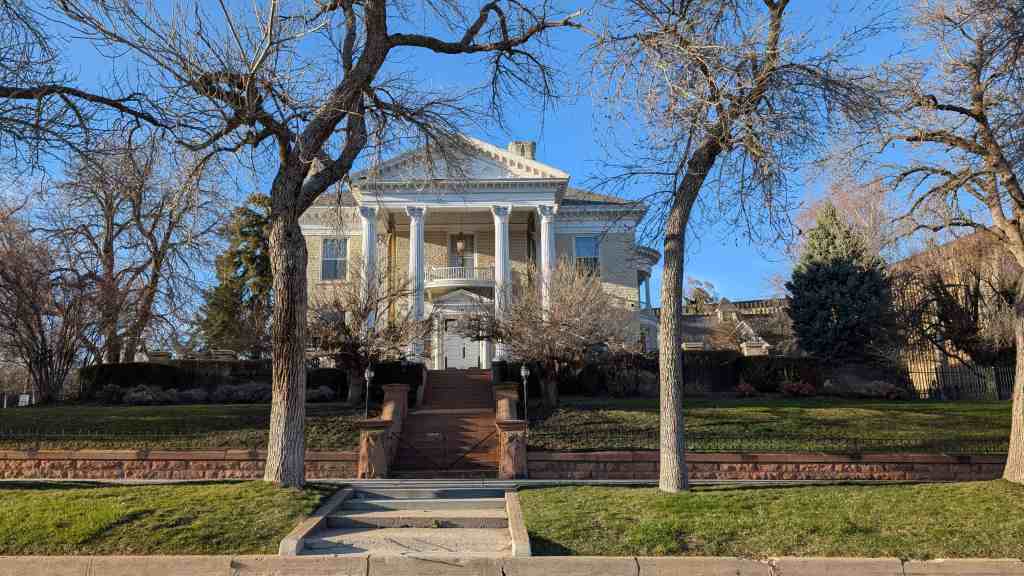
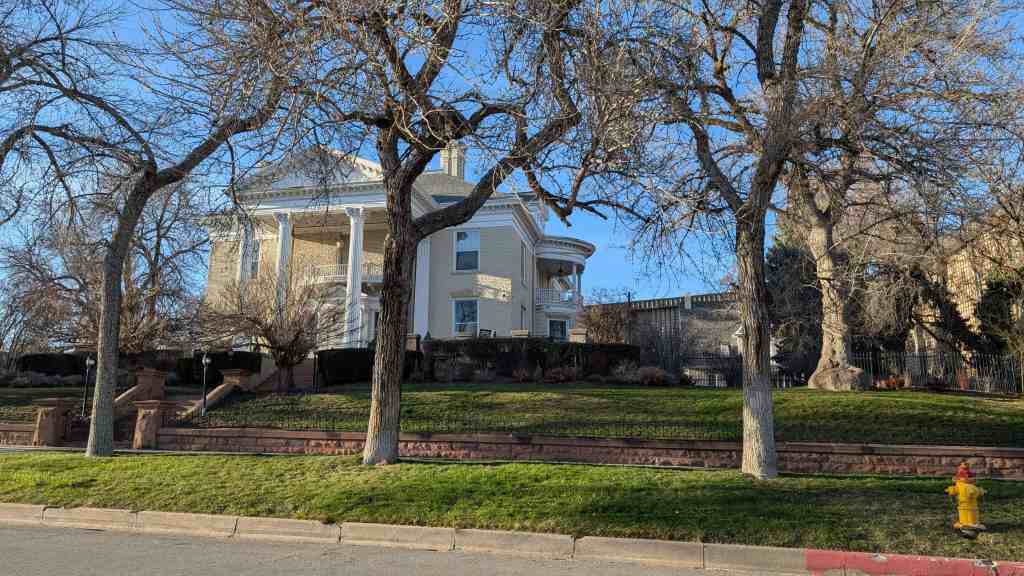
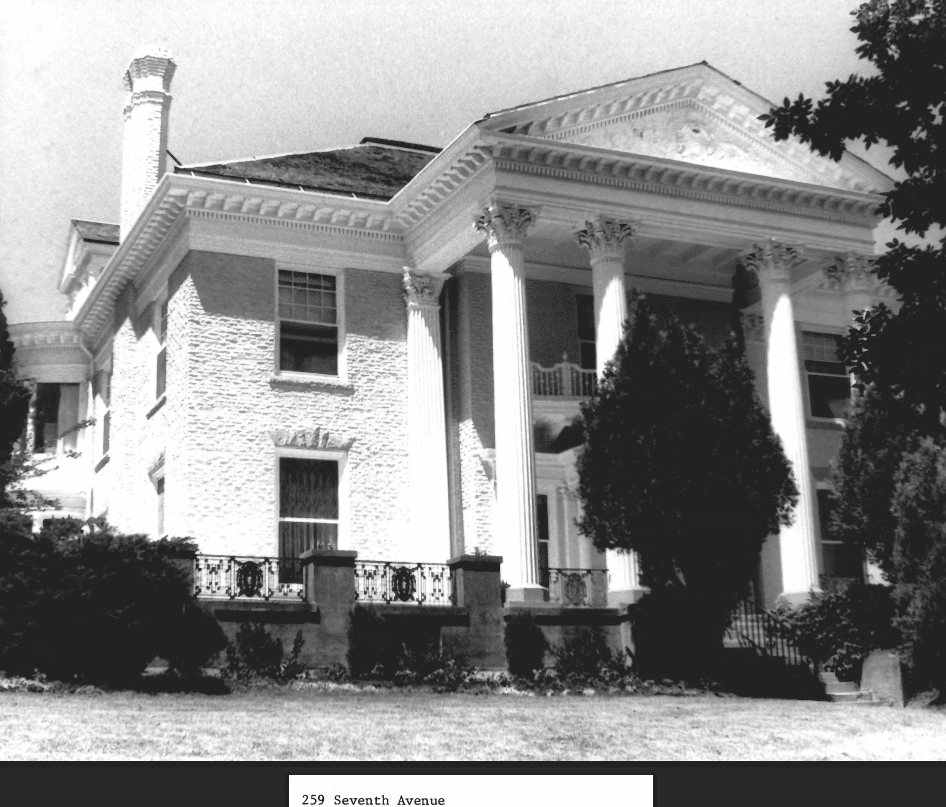
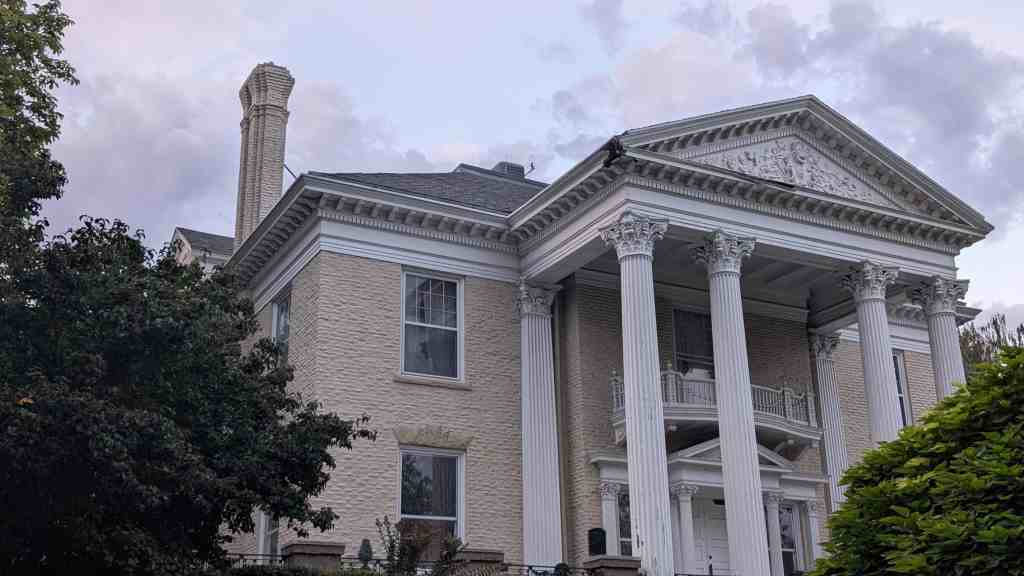
The McIntyre House, located at 259 East Seventh Avenue in The Avenues in Salt Lake City, Utah was added to the National Register of Historic Places (#78002677).

The property on which the McIntyre House sits was registered to C. J. Sandbech on June 27, 1874, as lot 2, Block 101, Plat D. The lot was purchased by Gill S. Peyton on January 26, 1894, for a price of $2,500.00.

The structure was designed by architect Fredrich Hale and was first inhabited in 1898 and was called Payton Hall. The property, house, and carriage house was sold to Henry w. Brown on July 18, 1900, for a price of $15,000.00.

William H. McIntyre acquired the house on December 5, 1901 for a price of $19,000.00 and the adjacent lot (Lot #2) for a price of $2,000.00. From this date on the structure has been known as the Mclntyre House.

Service connections are recorded as being made on April 17, 1906 and additional services and repairs were made August 8, 1910.

William H. Mclntyre died on August 20, 1926. Mrs. Phoebe McIntyre resided in the house until her death in 1945. William H. McIntyre came to Utah as a boy from Texas and his adventurous life was bound up with the development of the Utah cattle business. In later life Mr. McIntyre developed large holdings in Alberta, Canada, where he established the McIntyre Ranch but he retained many interests in Utah and spent his last years there; dying in Salt Lake City in 1926 at ‘the age of ‘seventy-eight.

He was born in Grimes County, Texas about forty miles, north of what is now the city of Houston, in the year 1848, the son of William McIntyre who was of Scotch-Irish descent.

William’s brother, Samuel, along with William traveled to Texas about 1870 to sell some property owned by, t;heir father. After the sell was completed they bought cattle and made the long trek back to Utah. In the spring of the next year, they sold the cattle for more than five times what they had paid. This gave them enough money to buy more cattle in Omaha and drive them to Utah. This partnership continued until sometime in the 1880s and gave the two brothers enough money to enter into several ventures, including the Mammoth Mine at Mammoth, Utah which then developed into a successful operation.

During the 1880s, William had hard times in the cattle business losing almost an entire herd in the winter of 1886-87. In 1891 to 1894 William began investigating the possibility of purchasing land and in 1894 he purchased a full section of land near Cardston in Alberta, Canada. Ranching began shortly after the purchase.

William H. McIntyre was married to Phoebe, Ogden Chase. She was the granddaughter of Isaac Chase, the first flour miller in Utah. Liberty Park was once the Isaac Chase farm, later passing to Brigham Young. Phoebe Chase was torn at the caretaker’s house which still stands on Liberty Park.
Mentioned in the national register’s nomination form:
While they account for less than one percent of all residences, the very large, often architect-designed homes in the Eastlake, Queen Anne and Shingle styles, and later the Prairie and Craftsman styles greatly influence the visual character of the Avenues. Some of the state’s best examples of residential architectural styles were built there, including the William Barton house, 231 B Street, (vernacular/Gothic); the Jeremiah Beattie house, 30 J Street, (Eastlake); the David Murdock house, 73 G Street, (Queen Anne); the E.G. Coffin house, 1037 First Avenue, (Queen Anne); the N.H. Beeman house, 1007 First Avenue, (Shingle style); the Vto. Mclntyre house, 257 Seventh Avenue, (Classical Revival); the James Sharp house, 157 D Street, (Craftsman); and the W.E. Ware house, 1184 First Avenue, (Colonial Revival).
Smith-Larsen-Warren House

18 Tuesday Nov 2025

Posted by Jacob Barlow in Uncategorized

≈ Leave a comment

Tags

NRHP

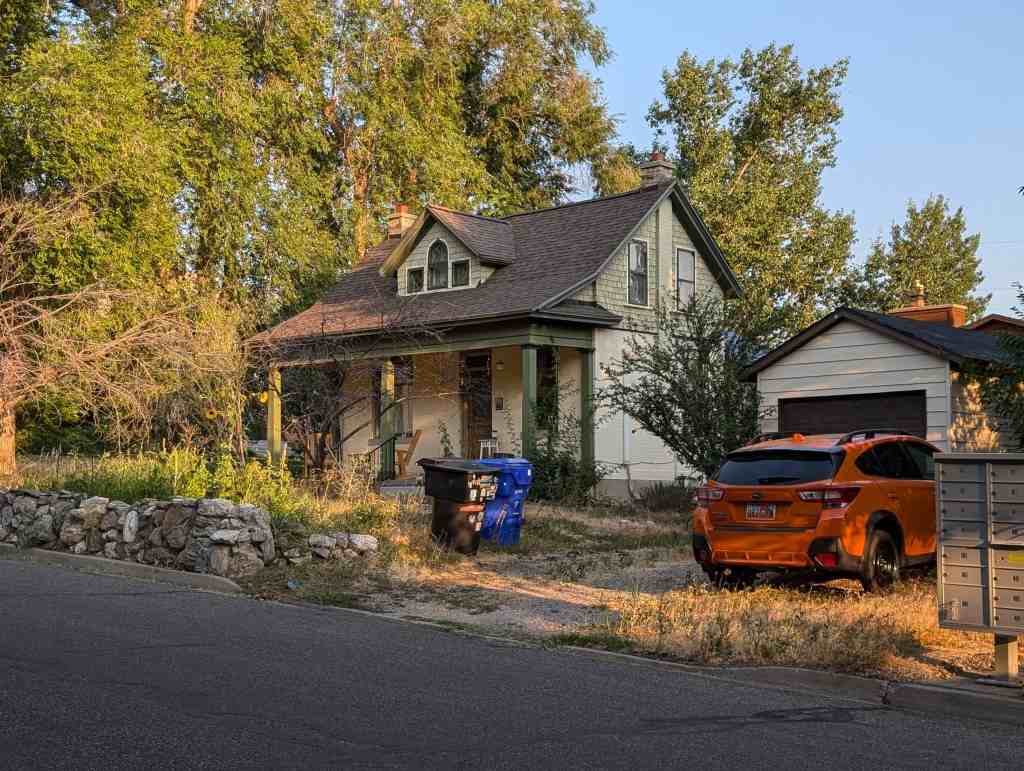
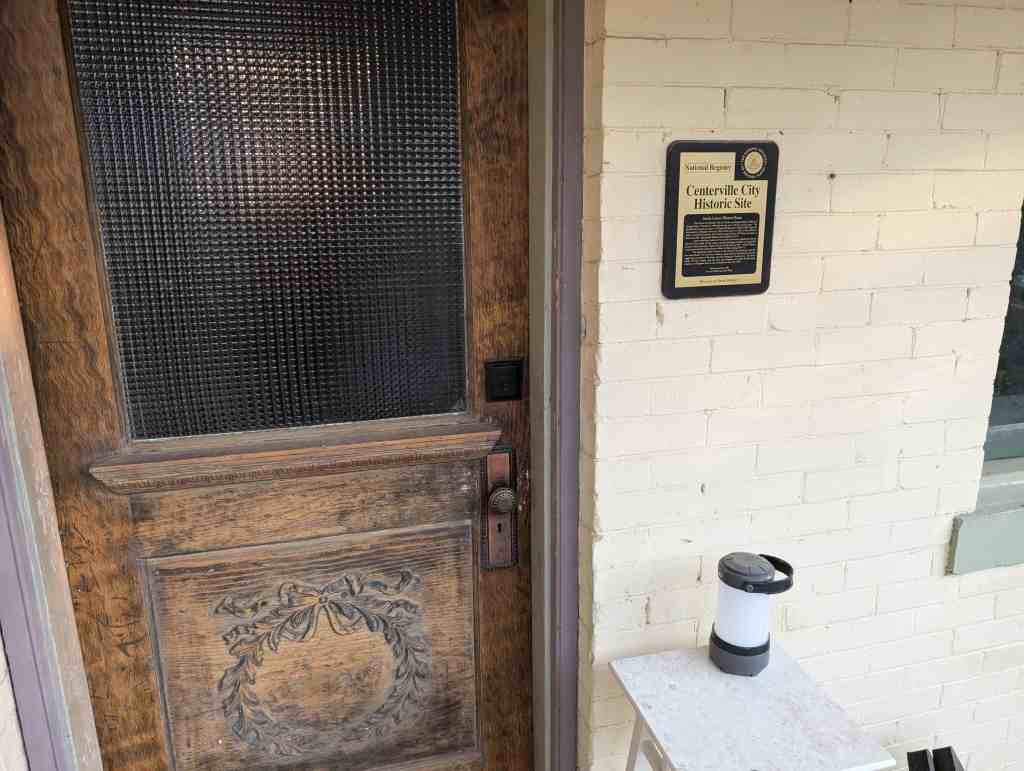
Smith-Larsen-Warren House

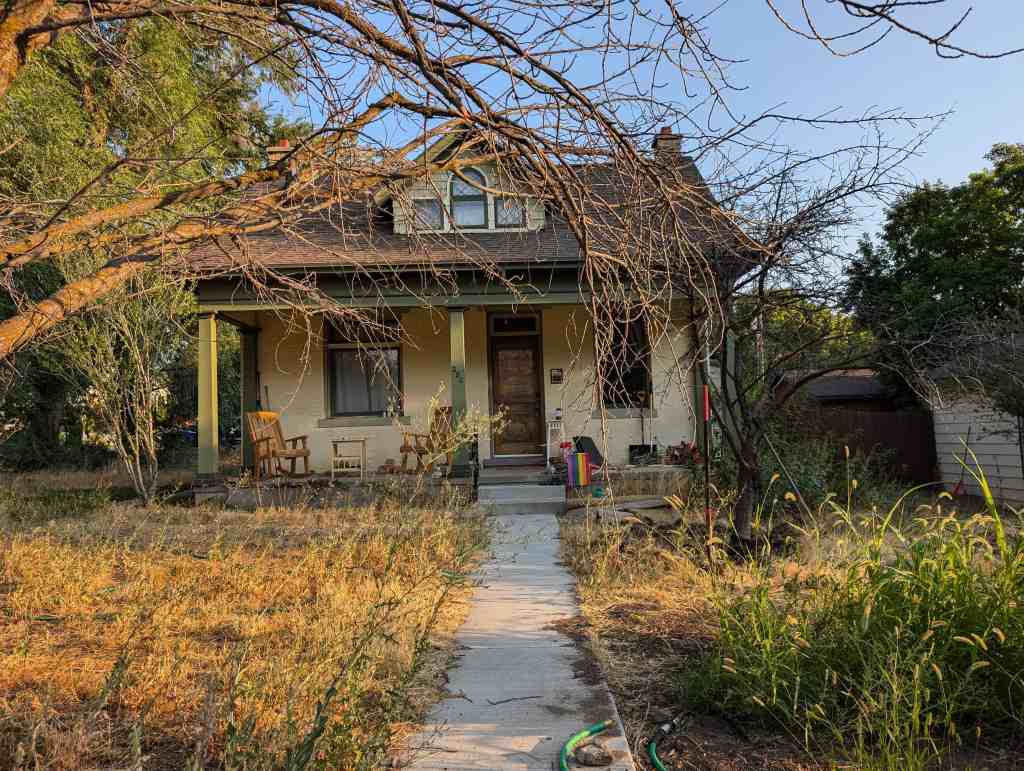
This house was probably built by Charles and Pamela Smith c.1886 and changed from a Victorian to a Bungalow house type c.1911 by Laura Larsen. The Smiths lived around the corner at 19 South 200 East from 1889 to 1908. They sold this property to Benjamin Brown in 1908, and he sold it in 1911 to Laura Walton Larsen. Laura’s first husband, Karl Charles Larsen, died in 1907 before the birth of their only child. She married William Henry Barber in 1919.

Laura crafted many quilts and booties for the Mormon Handicraft store in Salt Lake City, raised African violets, enjoyed genealogy, and liked to remodel the houses in which she lived. She moved out of this house in 1925. Albert Warren, a mail carrier for the Centerville post office, lived here during 1935-71.

The segmental arched windows on the side and rear elevations with the flat stone lintels over the front windows, along with an asymmetrical facade, suggest that a portion of the house was built during the Victorian era. The front porch, the front dormer, and the upper story shingles and simple double-hung windows, are Bungalow features that probably date from the 1910s.

280 East Center Street in Centerville, Utah

953 3rd Avenue

17 Monday Nov 2025

Posted by Jacob Barlow in Uncategorized

≈ Leave a comment

Tags

Avenues Historic District, NRHP

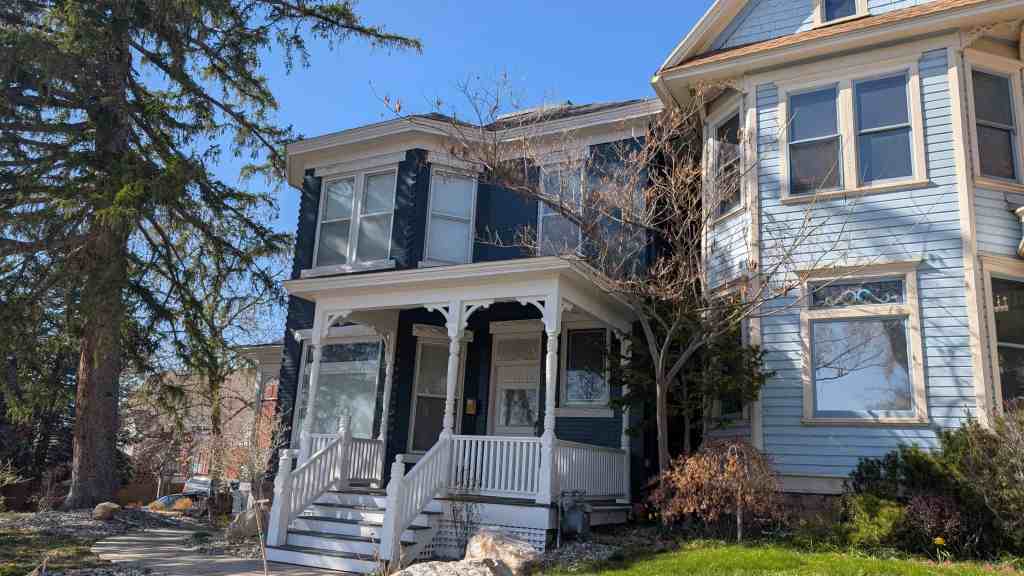
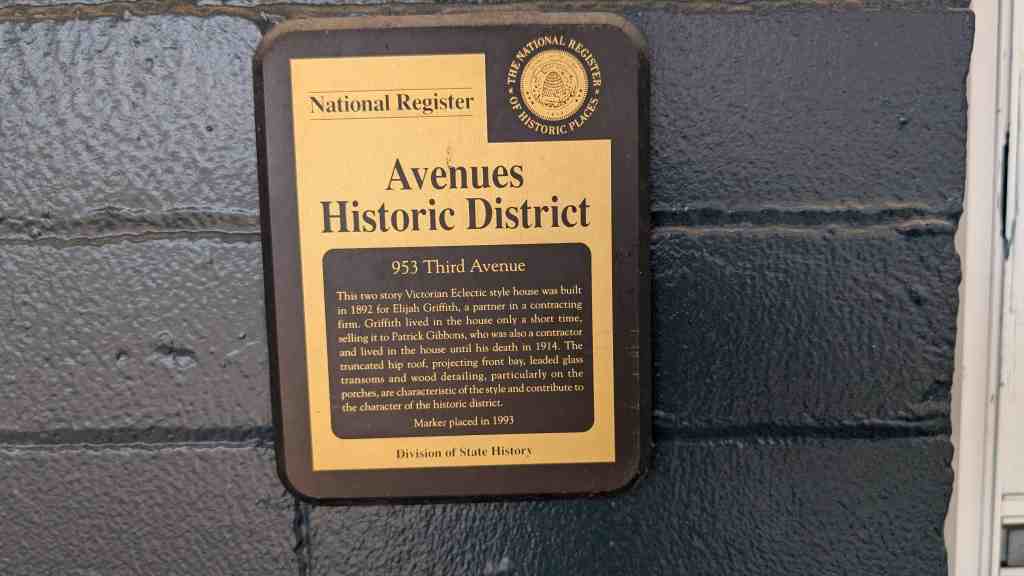
953 Third Avenue

This two story Victorian Eclectic style house was built in 1892 for Elijah Griffith, a partner in a contracting firm. Griffith lived in the house only a short time, selling it to Patrick Gibbons, who was also a contractor and lived in the house until his death in 1914. The truncated hip roof, projecting front bay, leaded glass transoms and wood detailing, particularly on the porches, are characteristic of the style and contribute to the character of the historic district.

953 Third Avenue in the Avenues Historic District in Salt Lake City, Utah.

(county records)

654 3rd Avenue

14 Friday Nov 2025

Posted by Jacob Barlow in Uncategorized

≈ Leave a comment

Tags

Avenues Historic District, NRHP

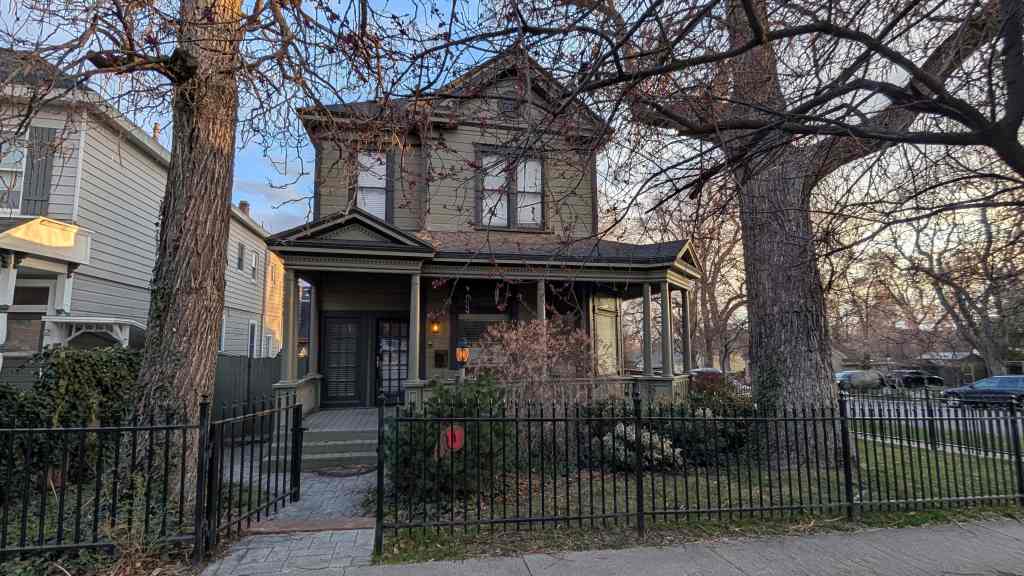
654 3rd Avenue

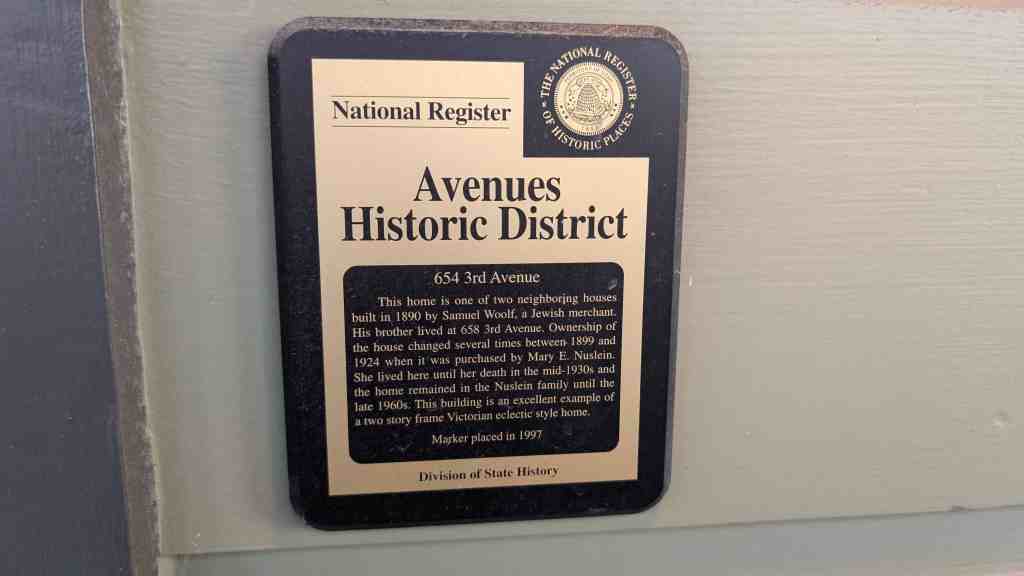
This home is one of two neighboring houses built in 1890 by Samuel Woolf, a Jewish merchant. His brother lived at 658 3rd Avenue. Ownership of the house changed several times between 1899 and 1924 when it was purchased by Mary E. Nuslein. She lived here until her death in the mid-1930s and the home remained in the Nuslein family until the late 1960s. This building is an excellent example of a two story frame Victorian eclectic style home.

654 East Third Avenue in the Avenues Historic District in Salt Lake City, Utah.

653 3rd Avenue

13 Thursday Nov 2025

Posted by Jacob Barlow in Uncategorized

≈ Leave a comment

Tags

Avenues Historic District, NRHP

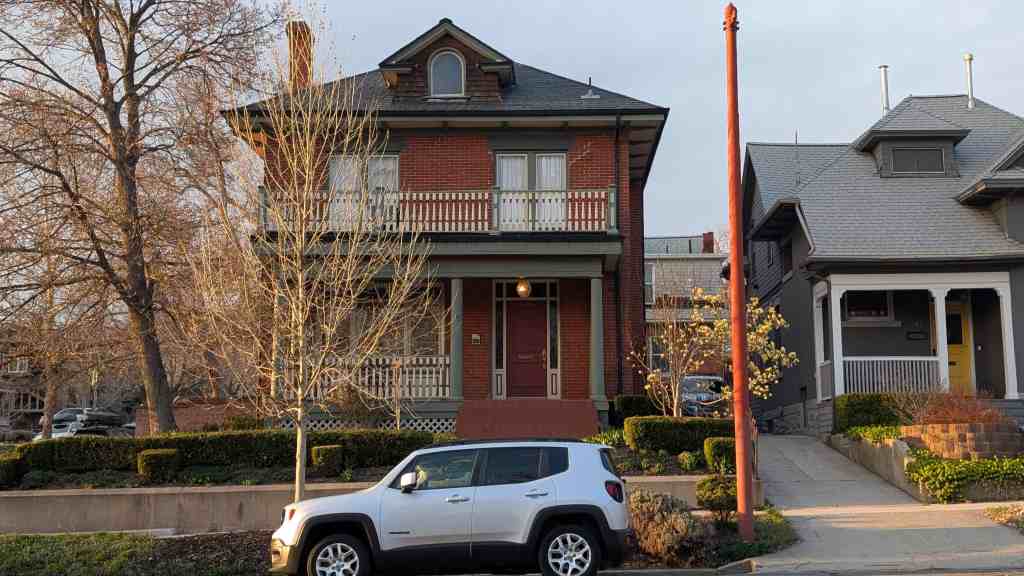
653 3rd Avenue

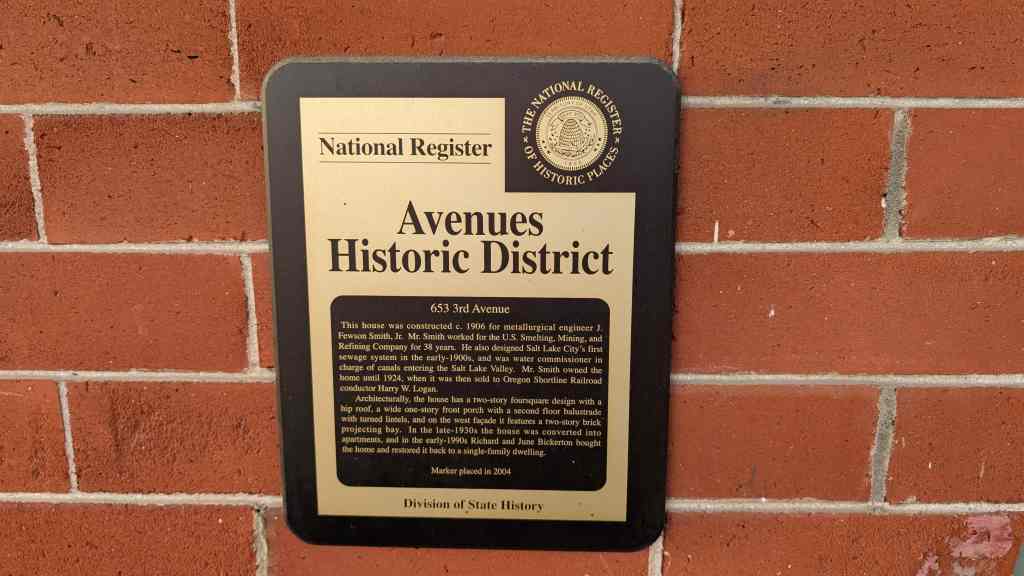
This house was constructed c. 1906 for metallurgical engineer J. Fewson Smith, Jr. Mr. Smith worked for the U.S. Smelting, Mining, and Refining Company for 38 years. He also designed Salt Lake City’s first sewage system in the early-1900s, and was water commissioner in charge of canals entering the Salt Lake Valley. Mr. Smith owned the home until 1924, when it was then sold to Oregon Shortline Railroad conductor Harry W. Logan.

Architecturally, the house has a two-story foursquare design with a hip roof, a wide one-story front porch with a second floor balustrade with turned lintels, and on the west façade it features a two-story brick projecting bay, In the late-1930s the house was converted into apartments, and in the early-1990s Richard and June Bickerton bought the home and restored it back to a single-family dwelling.

653 East Third Avenue in the Avenues Historic District in Salt Lake City, Utah.

Mary Smith House

13 Thursday Nov 2025

Posted by Jacob Barlow in Uncategorized

≈ Leave a comment

Tags

Historic Homes, NRHP, utah

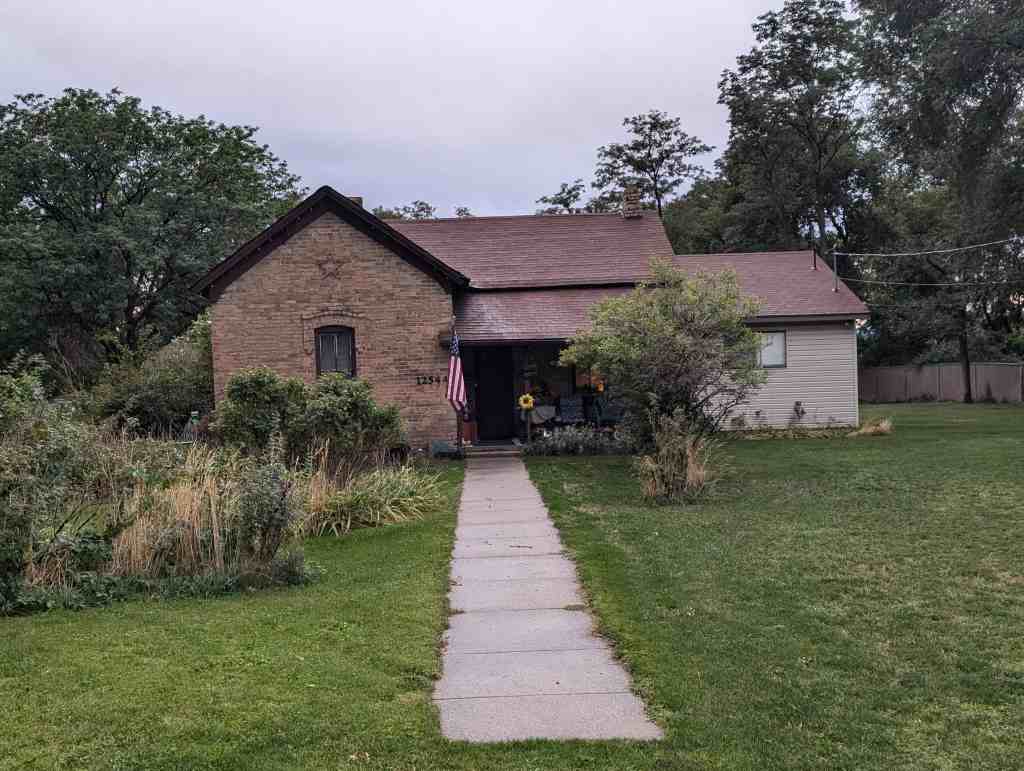
Mary Smith House

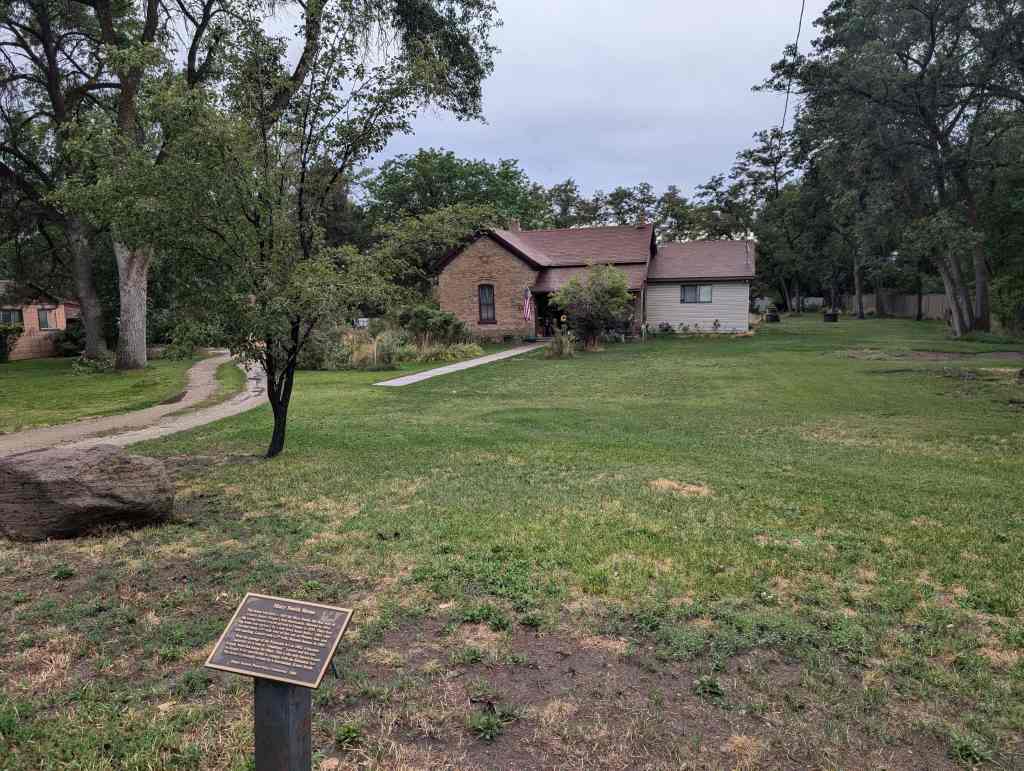
The Mary Smith House, a brick cross-wing Victorian, built c. 1883, is historically significant as one of the few houses in Draper built to accommodate a polygamous family and is the only known house in the community built specifically to comply with the 1882 Edmunds Act, which outlawed “cohabitation”. one man sharing his house with more than one wife. The Edmunds Act was one of the major steps taken by the federal government to force the Mormon Church into giving up polygamy. The house was likely built to protect Lauritz Smith, Mary’s husband, from prosecution. Mary, Lauritz’s first wife, moved into this house, while Hannah, the second wife, remained in the family home less than a quarter-mile away.

12423 South Relation Street (1565 East) in Draper, Utah

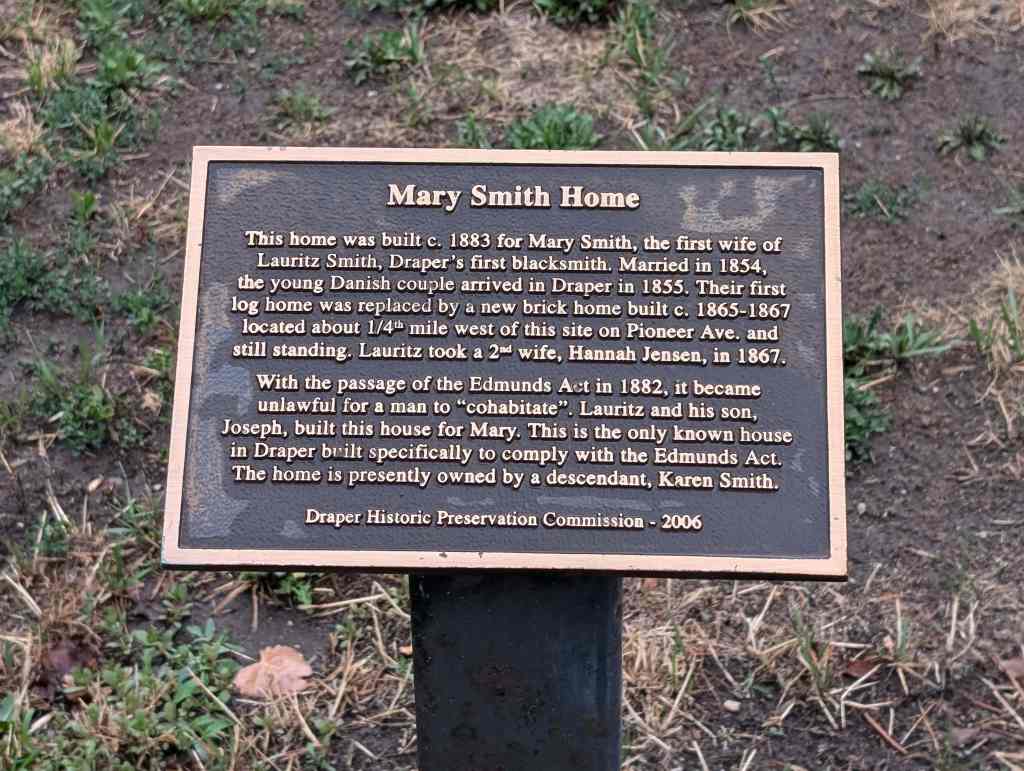
Mary Smith Home

This home was built c. 1883 for Mary Smith, the first wife of Lauritz Smith, Draper’s first blacksmith. Married in 1854, the young Danish couple arrived in Draper in 1855. Their first log home was replaced by a new brick home built c. 1865-1867 located about 1/4th mile west of this site on Pioneer Ave. and still standing. Lauritz took a 2nd wife, Hannah Jensen, in 1867.

With the passage of the Edmunds Act in 1882, it became unlawful for a man to “cohabitate”. Lauritz and his son, Joseph, built this house for Mary. This is the only known house in Draper built specifically to comply with the Edmunds Act. The home is presently owned by a descendant, Karen Smith.

328 M Street

11 Tuesday Nov 2025

Posted by Jacob Barlow in Uncategorized

≈ Leave a comment

Tags

Avenues Historic District, NRHP

328 M Street

This transitional bungalow with Victorian architectural details was constructed in 1903 for Charles and Alice Dangerfield. Charles was a tinsmith from England. Following his death in 1913, Alice lived here until about 1930, and rented the home until 1945. She then sold the house to Albert T. Shepherd who was a well-known violinist in Utah. Born in Paris, Idaho. Shepherd moved to Utah for early music training and was then accepted into the New England Conservatory of Music. He trained there for six years, receiving instruction from Felix Winternitx. Following his music training, Shepherd performed extensively in New York and throughout the Northeast. He then returned to Utah to become a music teacher. Shepherd married Alice Anderson in 1934. Alice was also an accomplished violinist, who taught music in Salt Lake City, Phoenix, Arizona, and Idaho. She played with the Salt Lake and Phoenix symphonies and for KSL Radio.

328 North M Street in The Avenues in Salt Lake City, Utah

Dr. Ellen B. Ferguson House

07 Friday Nov 2025

Posted by Jacob Barlow in Uncategorized

≈ Leave a comment

Tags

Avenues Historic District, NRHP

Dr. Ellen B. Ferguson House
121 B Street

This one-and-one-half-story Victorian-eclectic house was constructed in 1887 for Dr. Ellen B. Ferguson. Ellen was the house physician at Deseret Hospital. She was also involved in the suffrage movement, organized the Women’s Democratic Club, and was the only female delegate to the 1896 Democratic National Convention. Also in 1896, Ellen became the first female deputy sheriff in the United States. In 1900, the year she moved to New York, she sold the house to Jane Robbins, a restaurateur who owned restaurants throughout Utah.

121 North B Street in The Avenues in Salt Lake City, Utah

(county records)

32 H Street

02 Sunday Nov 2025

Posted by Jacob Barlow in Uncategorized

≈ Leave a comment

Tags

Avenues Historic District, NRHP

Constructed c. 1898, this two-story brick house has elements of the Foursquare type of architecture and features a hip roof with dormers, four chimneys, arched front door opening, and segmental arched windows. Although the original owner and builder are unknown, by 1900 the home was owned by Sereno B. Tuttle. Mr. Tuttle, a native of Ohio, came to Utah at the turn of the century and established a large real estate company, Tuttle Brothers. In 1909 he sold the house to Julius Rosenberg, a leader in Salt Lake City’s Jewish community and a prominent real estate investor in Utah and Idaho. In 1932 Mr. Rosenberg moved to another house in the Avenues and converted this into a rental.

32 North H Street in the Avenues Historic District in Salt Lake City, Utah.

350 Almond St

02 Sunday Nov 2025

Posted by Jacob Barlow in Uncategorized

≈ Leave a comment

Tags

Capitol Hill Historic District, NRHP


350 Almond St

Constructed in 1884, this Victorian cottage is fairly typical of residences built in Salt Lake City and other urban areas of the state during the late 19th century. The house form is a type known as a central block with projecting bays. The main portion of the house is augmented with one or more large bay windows. The property title suggests the house was constructed for James Fowler. Fowler, a convert to The Church of Jesus Christ of Latter-day Saints, immigrated from Yorkshire England in 1872. Fowler worked as a stone cutter for Watson Brothers, Elias Morris Sons Co., and also independently. Fowler’s first wife, Elizabeth died in 1901, and he married Sarah Dansey in 1904. The house was sold in 1903 to Lorenzo Snow, Jr., son of Church of Jesus Christ President, Lorenzo Snow.

350 Almond Street in the Capitol Hill Historic District in Salt Lake City, Utah

a

(county records)
← Older posts

Follow Jacob

Follow Jacob

Blog Stats

  • 1,893,097 hits

Social and Other Links

BarlowLinks.com

Recent Posts

  • 420 E South Temple
  • 328 1st Avenue
  • 324 1st Avenue
  • 108 L Street
  • 971 3rd Avenue

Archives


Loading Comments...